Dear BCMCS Community,
It is hard to believe that we are already entering the third month of this fantastic school year. Thanks to a smooth start, our classrooms have settled into that deeply rewarding state Maria Montessori called "normalization"—a period characterized by focus, joyful work, self-discipline, and peaceful classroom engagement.
Reaching this landmark in the classroom creates the perfect foundation for our October "Montessori at Home" theme. This month, we are focusing on Practical Life & Independence, continuing our effort to bridge the gap between classroom achievements and daily family life while making Montessori principles accessible and meaningful at home. In our classrooms, students spend hours refining their fine-motor control, executive function, and deep concentration through hands-on work. Built directly into the vast array of learning materials is the engine that drives their self-regulation, spatial awareness, and confidence.
Bringing this mindset into the home doesn't require expensive materials or elaborate setups—it simply requires time, preparation, and trust. You can nurture your child's growing autonomy by inviting them into real, necessary family routines. Whether it's setting the dinner table, folding towels, pouring their own water, or taking charge of getting dressed, children thrive when given genuine responsibility. It is important to remember that practical life at home is about the process, not perfection. A folded towel may be uneven, or a poured glass of water may spill—and that is expected. When we resist the urge to step in and fix things immediately, we give our children the room to problem-solve and master new abilities on their own. When children contribute authentically to the household, their self-worth and independence flourish. As Dr. Montessori famously reminded us: "Never do for a child what they can do for themselves."
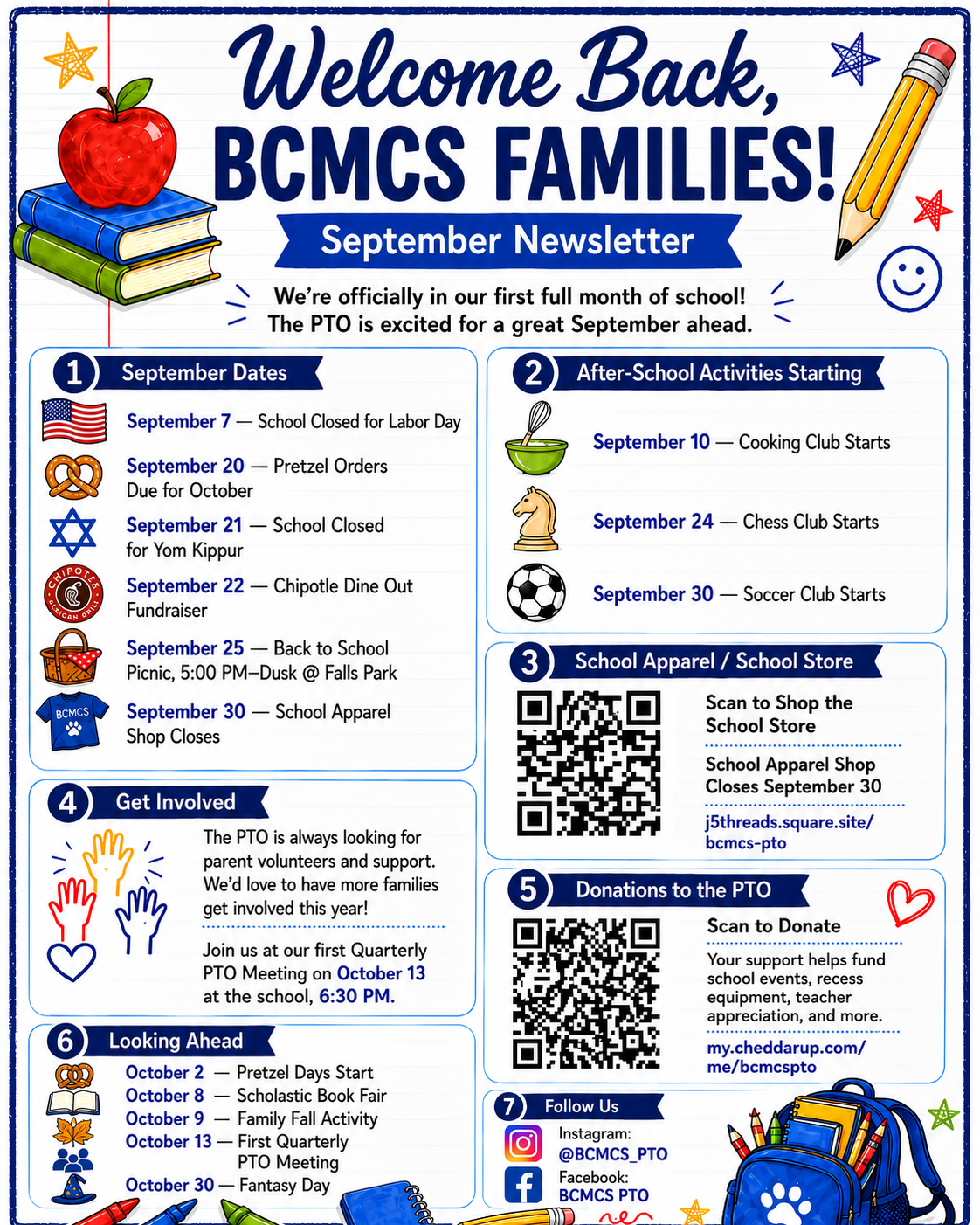
Please keep an eye on our school Web-Calendar for upcoming dates, including the launch of many new after-school clubs along with several exciting PTO events and meetings. Thank you for your continued partnership as we watch our students accomplish wonderful things every day. Take Care and until next month ... ~Mr. Brian Long